


The RBT Wharf Upgrade Works represent a transformative infrastructure milestone, modernising a 50-year-old quay to support the world’s first Carbon Capture, Utilisation, and Storage (CCUS)-enabled power plant, Net Zero Teesside (NZT) and delivered under the NEC4 Engineering and Construction Contract (ECC).
Location - South Bank of the River Tees, UK
Value - £9 million
Contracts used - NEC4 Engineering and Construction Contract (ECC) Option A and NEC4 Professional Services Short Contract (PSSC)
Overview
The ‘RBT upgrade is delivering ‘real benefits for Teesside’ by creating skilled jobs, supporting apprentices and driving investment into local businesses, while also helping prepare the site for the safe and efficient delivery of equipment’, NZT Power MD, Ian Hunter
Strategically located on the River Tees, Redcar Bulk Terminal (RBT) is a premier UK deep-water gateway. Transitioning from its steel heritage to a modern logistics powerhouse, the 325-acre Freeport site features 17-metre drafts and discharge rates exceeding 20,000 tonnes per day. RBT manages critical bulk commodities while serving as a strategic hub for North Sea offshore wind and global polyhalite exports via a landmark agreement with Anglo American.
The RBT Wharf Upgrade Works represent a transformative infrastructure milestone, modernising a 50-year-old quay to support the world’s first Carbon Capture, Utilisation, and Storage (CCUS) - enabled power plant, Net Zero Teesside (NZT). Delivered under the NEC4 Engineering and Construction Contract (ECC), this structural overhaul involved installing 120 rotary bored piles, up to 65m deep and socketed into competent rock, to achieve a uniform bearing capacity of 100 kN/m². This radical enhancement enables the quay to facilitate Self-Propelled Modular Transporters (SPMTs) carrying industrial units weighing up to 3,500 tonnes. By providing the structural integrity for these ultra-heavy sea-to-shore transfers, the project cements RBT’s role as the logistical cornerstone of the UK’s decarbonisation strategy.
The procurement strategy leveraged the flexibility of the NEC4 suite, incorporating bespoke Z Clauses to synchronise the commercial framework with NZT’s stringent regulatory mandates. These amendments ensured seamless alignment between high-profile stakeholders while allowing the team to navigate a live, high-consequence operational port environment without interrupting 24/7 terminal operations.
The broader £4 billion NZT Power project delivers up to 860MW of dispatchable power, powering 1 million homes, a 95% efficiency capture system to sequester 2 million tons of CO₂ annually and decarbonising a local industrial cluster. This ‘green anchor’ has unlocked 132 hectares of brownfield land, catalysing £9 billion in direct industrial investment and positioning the region as a global hub for AI data centres and digital infrastructure. Beyond technical scale, the initiative delivers a profound legacy, supporting 2,500 construction jobs and securing 4,000 long-term roles to drive regional economic resilience.
Project success was underpinned by a ‘digital-first’ NEC4 ecosystem, utilising CEMAR as the ‘single source of truth’. Following intensive pre-start training, the team established a culture of real-time transparency, regular Clause 32 programmes, design submissions, and compensation events were managed through a centralised audit trail. This disciplined framework enabled proactive early warning meetings to help manage the effects of geotechnical uncertainties. By synchronising the NEC4 administrative lifecycle with digital collaboration tools, the project eliminated administrative latency, ensuring every strategic decision was evidence-based and aligned with the high-tempo delivery schedule.
By rigorously applying NEC4’s ‘spirit of mutual trust and co-operation,’ the team successfully mitigated operational risks. The result is a future-proofed, deep-water asset that provides the essential logistical foundation for the UK’s industrial shift toward Net Zero, driving long-term economic prosperity across the Northeast.
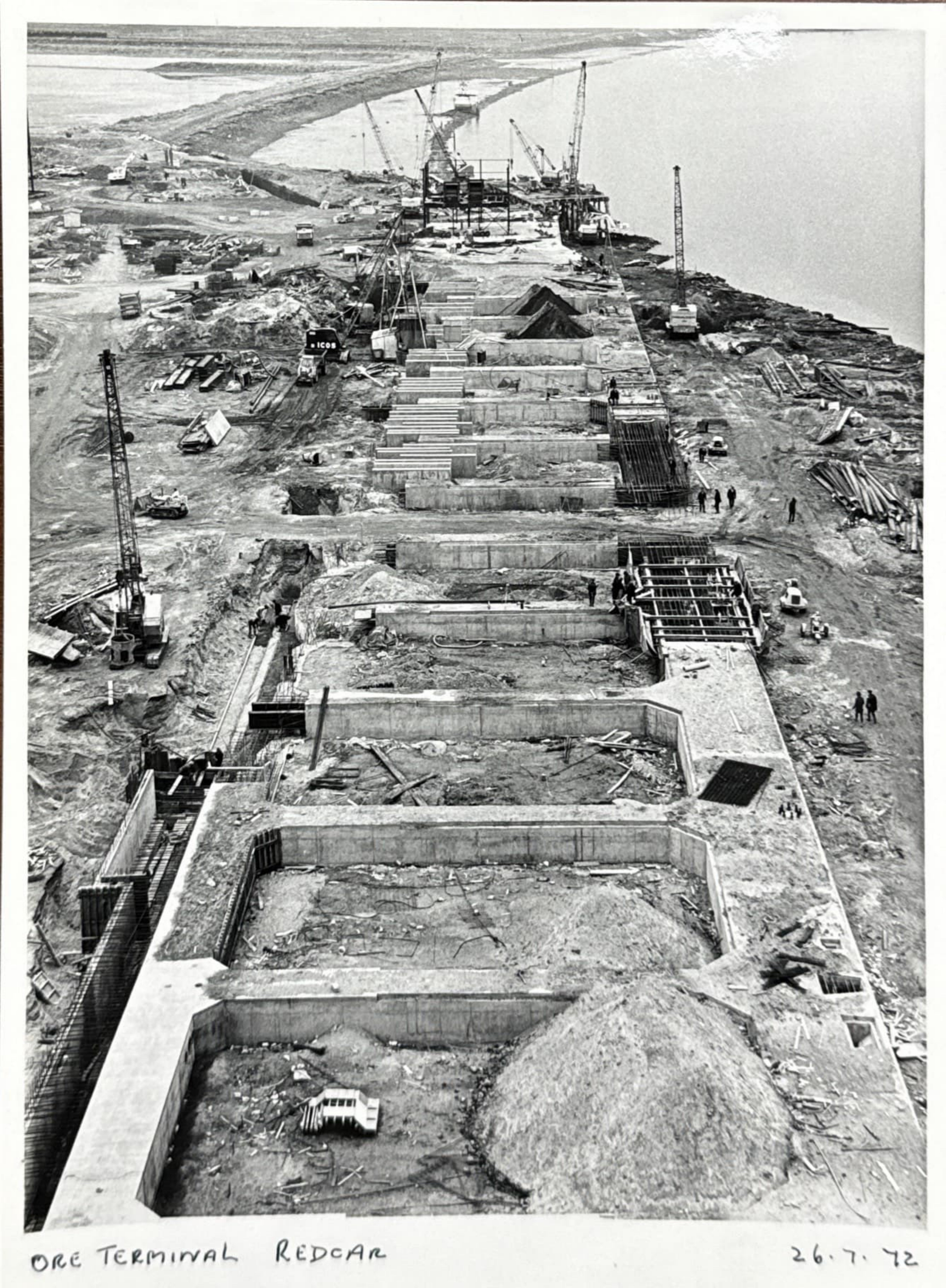 RBT 1972 Construction
Technical Engineering Excellence and Innovation
The RBT Wharf Upgrade demonstrates exceptional engineering ingenuity, transforming a 50-year-old marine structure into one of the UK’s most capable heavy-lift quays. To support a world-first CCUS-enabled power plant, the team reimagined the structural behaviour of the existing asset, achieving a 10 t/m² load-bearing capacity through pioneering solutions and the meticulous integration of new and legacy infrastructure.
There were two major technical challenges as mentioned below;
- The RBT quay was originally designed solely for side-on berthing. However, to accommodate NZT’s specific need for End-on berthing necessary for RO-RO operations involving the offloading of 3,500-tonne modules, the structure was subjected to a detailed berthing and mooring analysis. It was then re-engineered to support End-on berthing, a feature uncommon at traditional bulk terminals. This thorough study led to the installation of a high-energy-absorbing fender system to safeguard the refurbished structure from impact loads. Additionally, quick-release hooks were replaced with 100-tonne removable recessed bollards, enhancing operational flexibility for RO-RO berthing while preserving structural integrity. These specialised operations also required establishing specific navigational channel restrictions to ensure tranquil conditions, which were reviewed and approved by the PD Ports Harbour Master.
- A central technical challenge involved converting the quay from a ground-bearing system to a fully piled structure. The team engineered a bold alternative load-path strategy, installing 96 rotary bored piles (1,100 mm diameter) up to 65m deep, socketed into unpredictable bedrock. This transformation allowed all vertical, lateral, and berthing loads to bypass the original diaphragm wall and transmit directly into competent rock, significantly reducing structural stress on the ageing wall while extending its operational lifespan.
Addressing highly variable bedrock required continuous on-site geotechnical verification. Real-time analysis of pile arisings validated the founding conditions, ensuring each pile met stringent compression and tension capacities. This proactive approach prevented redesign delays and ensured compliance despite discrepancies in surveyed ground conditions. Piling at extreme depths also posed a risk of borehole collapse due to high hydrostatic pressure. To mitigate this, standard methods were modified using polymer-based drilling fluids to maintain equilibrium. Furthermore, the quay's fragility necessitated a purpose-designed temporary piling mat to support two 140-tonne rigs and a crawler crane within a highly constrained footprint.
Innovation extended to force redirection, where tension and compression from berthing were transferred into newly installed fender piles, markedly reducing movement in the legacy structure. Throughout construction, the team navigated numerous uncharted obstructions and legacy industrial hazards. By leveraging NEC4 mechanisms to rapidly agree on compensation events and resequencing activities, the project maintained technical compliance and momentum despite evolving conditions.
The result is a technically advanced, future-proofed marine structure engineered to facilitate the transit of some of the heaviest industrial components ever moved in the UK. Setting a new benchmark for marine refurbishment within constrained brownfield environments, the project demonstrates genuine engineering excellence. It provides the essential infrastructure required for the UK’s transition to a low-carbon economy.
Sustainability, Climate Change, and Carbon Footprint
The RBT Wharf Upgrade is a vital enabler of the UK’s net-zero goals, providing the infrastructure needed for the NZT carbon-capture power plant. Once operational, NZT will generate 860 MW of low-carbon electricity, powering over one million homes and capturing 2 million tonnes of CO₂ annually. The upgraded quay facilitates marine logistics, significantly reducing regional road transport emissions.
Sustainability was embedded in the project through a refurbishment-first strategy. By repurposing the existing quay rather than building anew, the team avoided extensive demolition and high-carbon piling. The new design transfers structural loads directly to bedrock via 65 m piles, extending the quay’s lifespan and reducing future maintenance-related carbon.
Environmental performance was further enhanced through low-carbon procurement and circular economy principles. Materials were sourced locally, including stone from County Durham and concrete from on-site batching plants, dramatically cutting haulage emissions. Remarkably, all removed deck concrete was crushed and reused, and 11,000 m³ of stone was repurposed through local partners, ensuring zero material went to landfill.
Given the site’s proximity to sensitive ecological areas, such as the River Tees SSSI, stringent environmental protections were paramount. In collaboration with the Environment Agency, the team deployed innovative safeguards, such as wastewater treatment, full encapsulation during hydro-demolition, and polymer funnel systems to prevent drilling fluid from entering the river.
The project also successfully managed complex industrial legacy waste, including asbestos, through rigorous segregation and recycling protocols. Completed with zero environmental incidents, the RBT Wharf Upgrade serves as a model for sustainable heavy civil engineering. It demonstrates how innovative design and responsible management can deliver the critical infrastructure necessary for a low-carbon future.
Promotion of Inclusive Working Practices and Progressive Health, Safety and Welfare
RBT-WUW required a rigorous, engineering-led health and safety framework to manage the complexities of a confined 1970s marine quay. Operating within a restricted footprint, the project completed over 50,000 person-hours with zero reportable accidents, despite high-risk activities including large-scale marine piling and heavy RC operations.
Central to the safety strategy was the management of heavy plant, including two 140-tonne rotary bored piling rigs and a supporting crawler crane. A bespoke Traffic and Pedestrian Management Plan was implemented to segregate plant and personnel, while a specifically engineered temporary piling mat was designed to distribute loads safely. This mitigated the risk of structural instability, ensuring the 50-year-old quay’s integrity remained uncompromised by the high bearing pressures of the equipment.
To address the site’s industrial legacy, the team utilised a permit-to-dig system integrated with historical data to manage unknown subterranean obstructions and redundant services. Methodologies were updated in real time as excavations progressed, with Skanska Cementation fully embedded in the management cycle to align RAMS and temporary works designs with actual site conditions. This technical transparency was validated by an average audit score of 97% and a 100% rating in the external audit.
Behavioural safety was formalised through the ‘Don’t Walk By’ initiative, generating 27 interventions that directly refined traffic management and occupational health standards. This was paired with a robust welfare programme; the Lighthouse Club’s ‘Make It Visible’ campaign provided the workforce with confidential mental health support, championed by the Project Manager, who was a trained Mental Health First Aider.
By integrating technical engineering solutions such as load-distributing mats and adaptive excavation protocols with progressive behavioural safety and welfare initiatives, the project established a high-performance safety culture. The result was the incident-free delivery of complex marine infrastructure within a challenging, legacy-heavy operational environment.
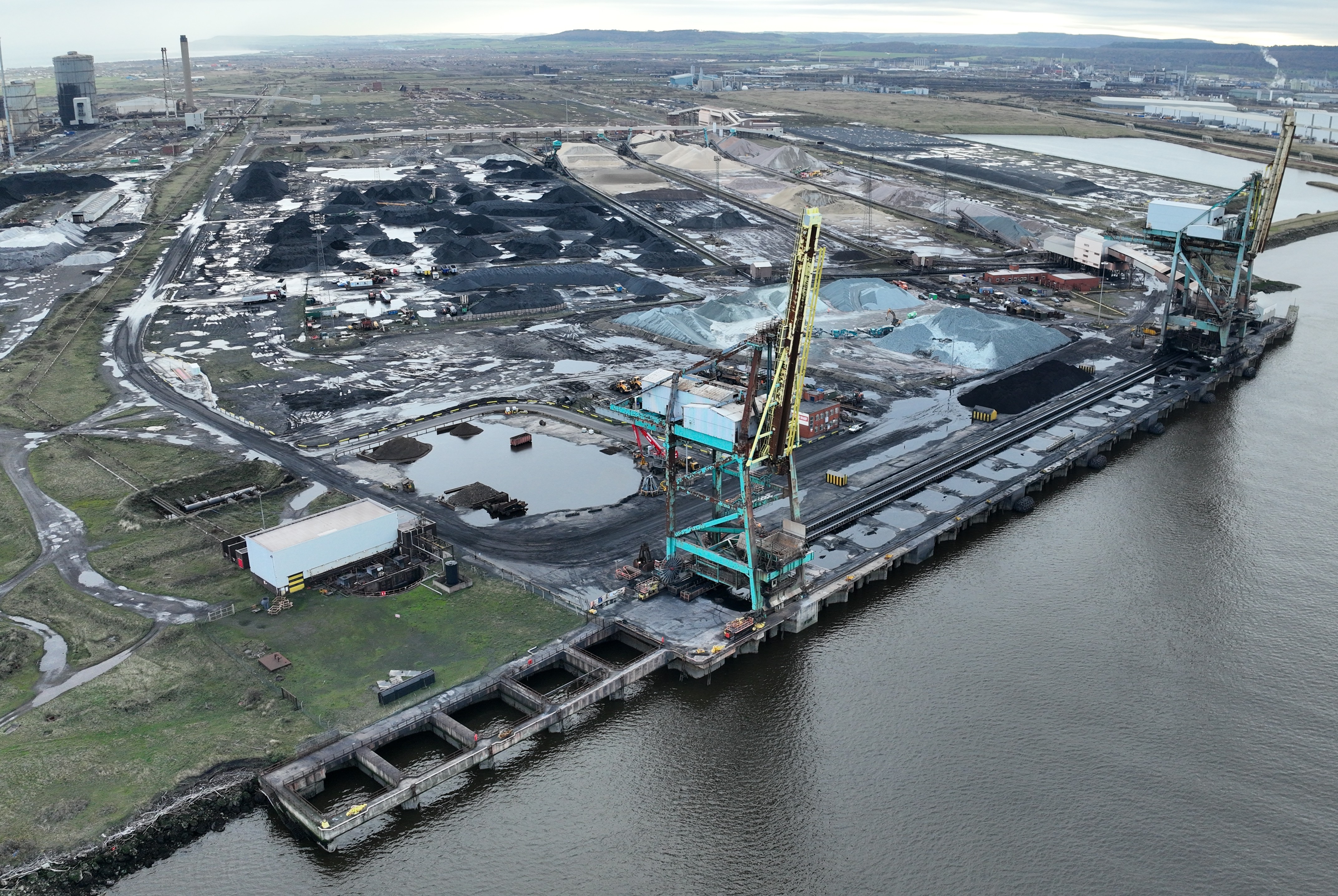
RBT 2023 Prior Upgrade
Project Delivery (Programme, Budget, and Quality)
To deliver RBT-WUW within the constraints of an NEC4 ECC Option A (Priced contract with activity schedule), the project team employed disciplined commercial management and a proactive risk approach. By aligning the Activity Schedule with a highly collaborative programme, the project ensured the quay was ready for the 2026 NZT component delivery while maintaining budget certainty.
Programme performance relied on a dual-rig rotary bored piling strategy, which accelerated the critical path by installing 96 deep piles simultaneously with reinforced concrete works. This parallel sequencing, managed through joint monthly reviews with the Project Manager and Supervisor, ensured that sectional completion dates were met despite the technical complexities of the legacy quay.
Under the NEC4 framework, the team utilised the early warning process to mitigate risks associated with uncharted utilities, legacy obstructions, and severe weather. This transparent communication enabled the client to make informed decisions before risks affected the Prices or the Completion Date. When discrepancies arose regarding fender load data or subterranean voids, the team collaborated with the Project Manager to assess and agree on compensation events rapidly, ensuring the contractor maintained a fully costed, accurate design.
Cost and programme efficiency were further enhanced through a value engineering workshop. By increasing pile diameters, the team reduced the total pile count, lowering material consumption and construction duration without compromising structural integrity. This optimisation was critical under the fixed-price nature of Option A, ensuring financial discipline while delivering technical excellence. Both Contractor and Client benefited from the value engineering.
Quality was managed through an ISO 9001-accredited system and a bespoke Inspection and Test Plan (ITP). NEC4 ECC Supervisor and SCEL’s Project Manager as a team ensured all concrete and piling operations met rigorous specifications, supported by monthly audits (averaging 95.4%). The resulting handover documentation provided a clear, auditable trail of compliance.
Ultimately, the disciplined application of NEC4 ECC Option A mechanisms, specifically proactive early warnings and collaborative compensating event management, enabled the project to be delivered on programme and within budget, establishing a benchmark for heavy civil engineering delivery.
The Solution
Contractually, NEC4 ECC Option A was selected to provide a robust framework for managing the geotechnical and structural uncertainties inherent in a 50-year-old asset. The procurement strategy prioritised a minimalist approach to Z-clauses, reducing legal friction and maximising high-tier tender returns. The contract served as a technical management tool, leveraging Clause 10.1 to foster a ‘one team’ ethos. Early warnings were used analytically rather than defensively, enabling immediate, multi-party resolution of issues such as variable bedrock horizons and piling tolerances.
Post-contract, technical and commercial alignment was maintained through CEMAR, which acted as the digital ‘single source of truth’ for real-time tracking of programme updates, compensation events (CEs), and the early warning register. Early warning meetings enabled contemporaneous assessment of scope refinements, allowing piling operations to be sequenced around live vessel movements without compromising structural integrity or the 56-week delivery schedule. Through advanced geotechnical engineering and disciplined NEC4 governance, the project delivered a future-proofed deep-water terminal that meets the UK’s Net Zero requirements while maintaining full operational continuity.
Digital Collaboration and Transparency
The project governance was underpinned by a digital-first delivery model, utilising CEMAR as the immutable 'single source of truth' for all NEC4 contractual obligations. This integrated platform enabled seamless management of Clause 32 programmes and design acceptances, as well as the contemporaneous assessment of compensation events. By centralising communication and the early warning register, the team eliminated administrative latency and ensured total transparency for all stakeholders. This digital rigour was further enhanced by routine early warning meetings, where real-time data enabled immediate mitigation of emerging technical issues. This approach provided downstream stakeholders in the NZT project with consistent, high-fidelity information, ensuring alignment between terminal delivery and the wider national infrastructure programme.
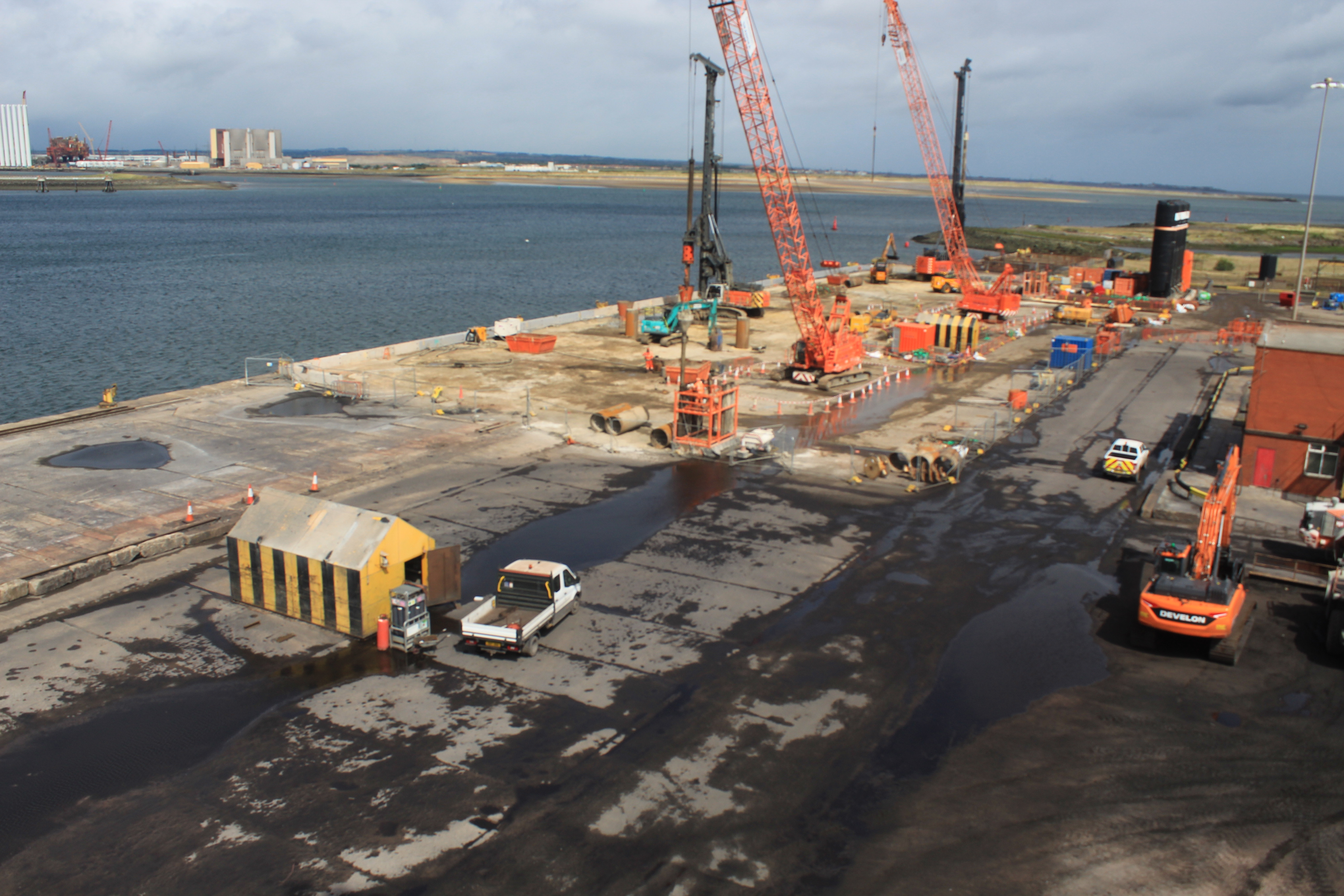
RBT 2025 Upgrade Construction
Results and Benefits
‘The upgrade has strengthened a vital local asset for the long-term, created opportunities for local people and suppliers, and ensured the terminal is ready to support the delivery of major projects that will underpin the UK’s low-carbon future. It’s a great example of how major infrastructure can generate lasting economic and environmental benefits for the region.’ Northern Endurance Partnership MD, Rich Denny.
The RBT Wharf Upgrade was delivered on time and within the adjusted budget, despite operating in a challenging live port environment.
The project has:
- enabled delivery of the UK’s first commercial‑scale NZT carbon‑capture power station
- supported power generation for over one million homes
- facilitated the capture of 2 million tonnes of CO₂ annually
- 10 million tonnes of Polyhalite export from the Woodsmith Project by Anglo American
- unlocked 132 hectares with £9 billion direct investment
- supported 6,000 permanent roles and 2500 jobs during construction
- generated an estimated £600 million per year for the regional economic boost
Through NEC‑enabled collaboration, the project demonstrates how infrastructure investment can deliver technical excellence while creating long‑term social and economic value.
- Author
- Jay Arun Kaikade, Mott Macdonald Limited
- Share this page
-


- Copy link



-Paul-Carstairs.jpg?width=1200)